
Innovation Drives the Future of Clean Energy
The world today is witnessing a critical stage of transformation in the field of energy, where innovation and technology have become the two main pillars of a more sustainable and efficient future. After centuries of relying on fossil fuels as the primary source of power, the features of a new era are emerging—an era based on smart thinking, clean production, and the responsible use of resources. The goal is no longer to produce more, but to produce intelligently in a way that preserves the environment and ensures a balance between economic growth and the protection of the planet.
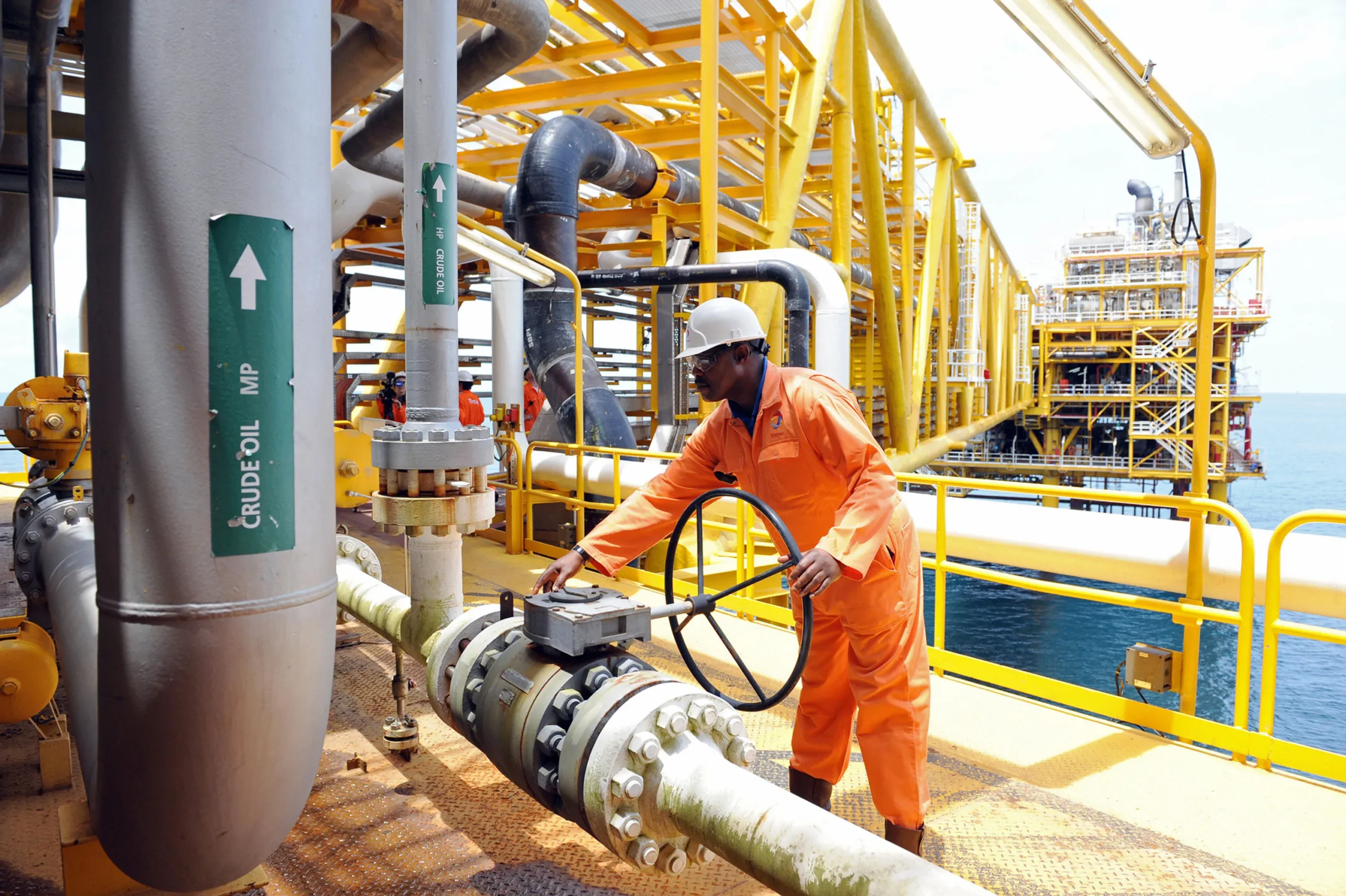
Today, innovation is the most influential element in the energy industry. It is reshaping the methods of production, distribution, and consumption worldwide. Developments in artificial intelligence, the Internet of Things, and big data analytics have completely transformed the concept of industrial management. Refineries and oil and gas facilities are now capable of operating with smart monitoring systems that track performance in real time, detect breakdowns before they occur, and reduce waste and emissions simultaneously. It is a silent revolution in operational efficiency and environmental safety—representing the core of the shift toward what is known as “smart energy.”
However, innovation in the energy sector is not limited to the technical side. It also extends to administrative thinking and public policy. Major companies in this sector have begun adopting new models that balance profits with social responsibility and embrace the philosophy of “shared value,” which transforms every energy project into a means of serving society and protecting the environment at the same time. This transformation places humans at the center of the energy industry, turning it from a traditional production sector into a comprehensive value-driven system.
Many countries are now implementing ambitious initiatives to introduce the concept of the circular economy into the energy industry. Instead of waste and linear consumption, resources and by-products are now reused to generate new energy. Thermal emissions are converted into electricity, industrial water is treated and reused, and oil waste is utilized to produce biofuel. These practices represent a practical step toward reducing the carbon footprint and building a sustainable economy that does not exhaust natural resources.
At the same time, renewable energy projects are expanding at an unprecedented pace around the world. Countries are racing to invest in solar energy, wind power, and green hydrogen to achieve carbon neutrality in the coming decades. Smart cities are now powered entirely by clean energy, and industrial ports are gradually shifting toward sustainable fuel sources. These steps—driven by technological progress and political will—represent a quiet revolution in the path of global energy transition.
Digital transformation has also become the beating heart of the industry, enabling modern technologies to analyze data in real time and provide instant solutions to any production or distribution issues. Thanks to artificial intelligence and digital twins, it is now possible to simulate complex operations inside oil and gas facilities before implementing them, reducing risks and enhancing performance efficiency. This fusion of technology and energy is what truly defines the future.
Among the important human elements of this transformation is the empowerment of youth, who are considered essential leaders of the next phase. The new generations studying data science, renewable engineering, and artificial intelligence will be the driving force behind the clean-energy revolution. They are not just working in plants and factories—they are designing systems and creating innovative solutions that redefine the concept of energy in the 21st century.
Meanwhile, many communities in developing countries are benefiting from innovation in simple yet effective ways. Through the creation of small electrical networks powered by solar or wind energy, remote villages in Africa and Asia have been able to meet their energy needs independently and sustainably. These small projects prove that innovation does not always require massive resources, but rather the will and ability to think differently.
Innovation in the energy sector is no longer just a strategic option—it has become an inevitable necessity to confront growing environmental and economic challenges. The world is moving toward a new stage where the importance of traditional resources is declining, while the role of creative minds and smart technologies continues to grow. The future—according to most experts—will not belong to those who possess the most oil or gas, but to those with the greatest ability to use science and technology to create solutions that ensure life on this planet remains sustainable.
In the end, innovation is the compass guiding humanity toward a more just, conscious, and cleaner energy future. The new era seeks not only energy that keeps humans alive, but energy that makes life worth living. And as the industry evolves and policies are reshaped, innovation remains the primary engine that leads humanity toward real balance—between progress and the environment, between needs and aspirations, and between the present and the future.