
Energy Transition Toward Smart Innovation
The global energy sector is witnessing one of the most extensive industrial revolutions in its modern history. Progress in this sector is no longer tied only to geological discoveries or increased production; it is now driven by the ability to innovate, modernize, and adopt advanced technologies. After more than a century of near-total dependence on oil and gas as the primary sources of energy, the world is moving toward a new industrial model built on intelligence, digital transformation, and the integration of multiple energy sources.
The concept of the energy industry has shifted from merely extracting resources to smart energy management across all stages—from production and transportation to storage and consumption. At the heart of this transformation lies technology, which has become the decisive factor in determining operational efficiency and resource sustainability. Digital monitoring systems, data analytics, and field automation are no longer auxiliary tools; they are now core pillars that define a country’s and a company’s ability to compete in a rapidly evolving global market.
Governments and major companies today rely on industrial transformation to reduce costs and improve environmental performance simultaneously. Modern refineries can significantly reduce emissions thanks to intelligent processing systems, while smart technologies have converted associated gas into clean energy for local use instead of flaring and wasting it. These technical measures are no longer an environmental luxury—they are essential components of long-term economic sustainability and competitiveness.
Modern technologies have also created a major shift in resource management. Predictive technologies powered by artificial intelligence now enable continuous monitoring of equipment and facilities, detecting malfunctions before they occur. This reduces losses and enhances operational efficiency, representing a major transformation in maintenance and industrial management—where decisions are driven by data rather than intuition or experience alone.
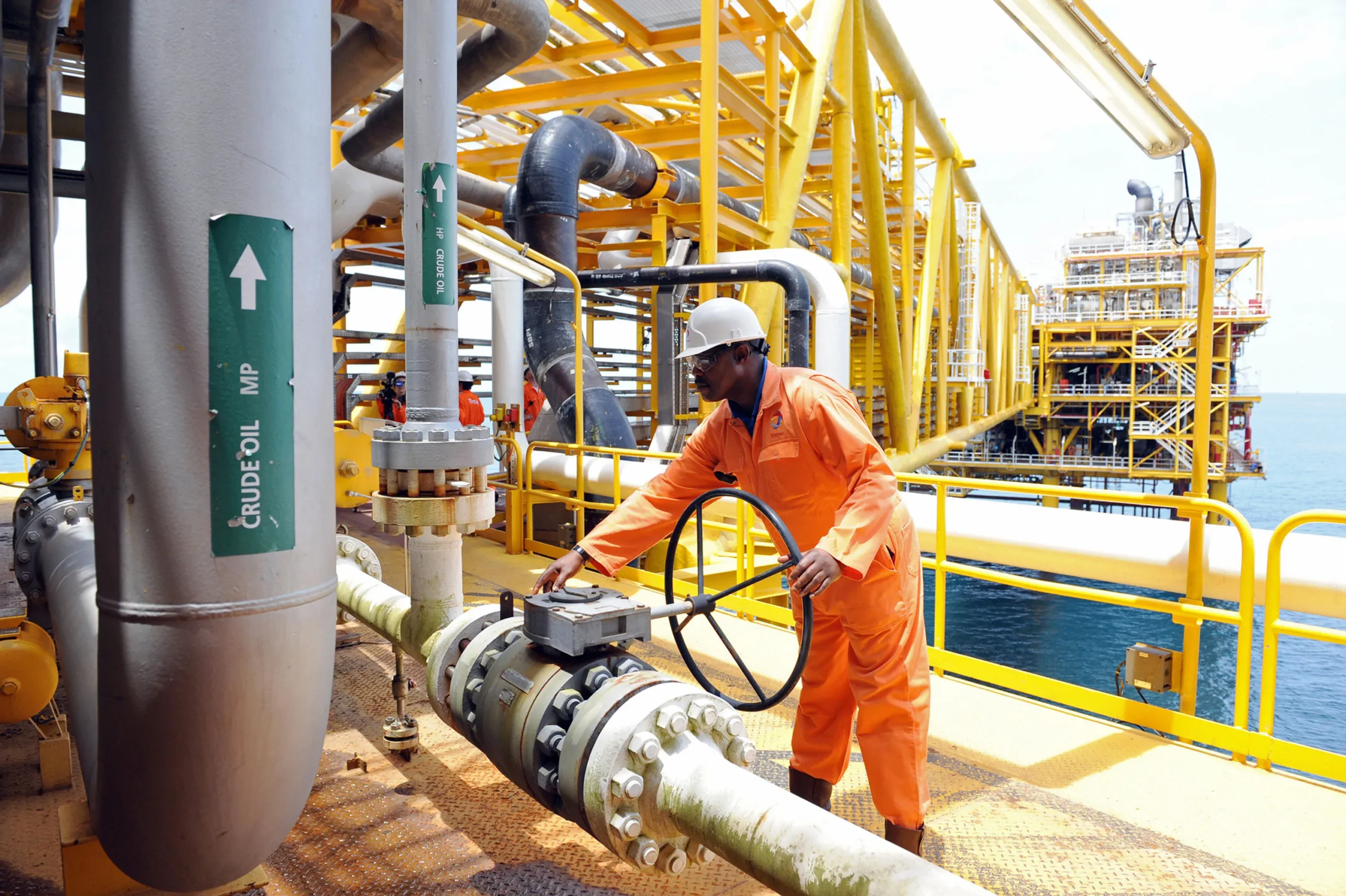
One of the most influential aspects of this transition is the expanded use of industrial robots and drones for inspection and maintenance in remote or high-risk locations. Instead of exposing human teams to harsh environments, tasks can now be performed with greater precision and complete safety—strengthening a culture of safety and innovation simultaneously.
Major companies have also begun integrating advanced manufacturing technologies such as 3D printing to produce spare parts on-site, reducing downtime and logistical costs.
At the strategic level, this industrial transition is accompanied by a shift in investment philosophy. Companies are no longer limited to investing in traditional production; they are now channeling investments into research, development, and technological partnerships. Collaboration between the energy sector and technology companies has become a defining characteristic of the next era, as neither side can succeed alone. This has led to new alliances between major oil companies and global digital firms to develop intelligent monitoring and analytics systems that unify data from the fields all the way to the markets.
The human element remains the most critical pillar of this transformation. Technology alone cannot build the future without skilled minds capable of operating and developing it. Therefore, investment in technical education and vocational training is increasing to prepare a new generation of engineers and specialists capable of leading this new industrial revolution in the energy sector.
Educational institutions are now offering specialized programs in “Digital Energy Engineering” and “AI in Petroleum Operations”—fields that combine technical knowledge with innovation.
The environmental dimension of this transformation cannot be ignored. The sector is seeking to reduce emissions and improve energy efficiency through carbon-capture technologies, carbon reutilization, and the integration of renewable energy sources—such as solar power—to operate remote sites. These steps reflect a growing awareness that modern industry cannot thrive without protecting the environment, and that economic success is directly linked to environmental responsibility.
Ultimately, industrial transformation in the energy sector is not merely a technological shift—it is a transformation in mindset, management, and institutional culture. The world is moving toward an era where technology, energy, and economics converge, and where innovation becomes the new currency by which the power of nations and companies is measured.
With every step forward in digitization and clean technologies, the world moves closer to building a smart energy system capable of achieving the delicate balance between growth and sustainability. It is the beginning of a new era of industrial awareness, where intelligence and knowledge become the true fuel for the future of energy.