

The Impact of Oil and Gas on the Future of Energy
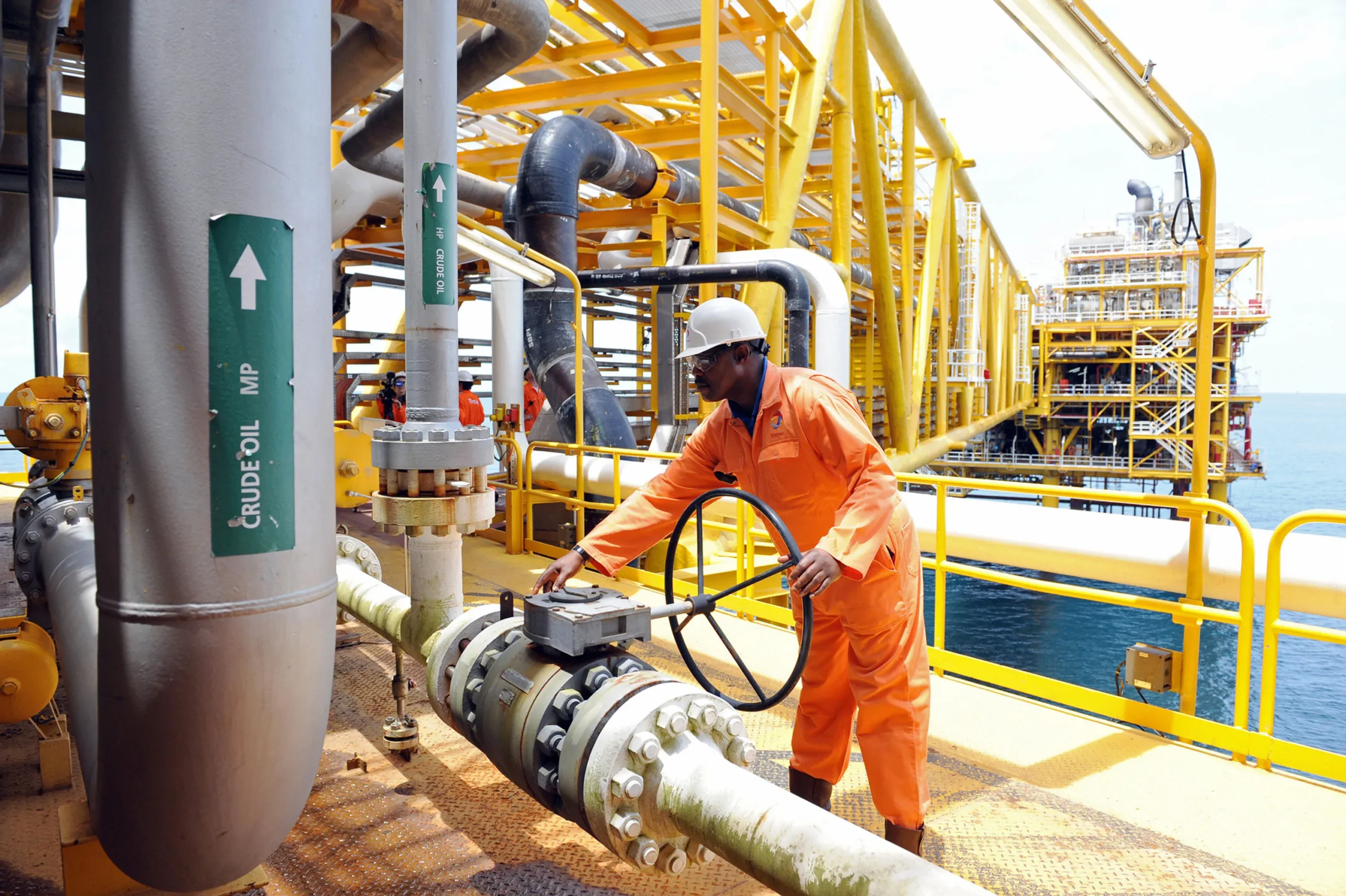
The oil and gas industry continues to play a pivotal role in shaping the future of the global economy, despite the accelerating shift toward renewable energy. Recent developments have proven that this industry remains the backbone of the international energy system, meeting more than half of the world’s fuel needs and serving as a vital foundation for transportation, industry, and manufacturing. However, with the rise of environmental awareness and climate pressures, this role is undergoing a redefinition that seeks a balance between sustainability and growth.
In past decades, oil- and gas-producing countries controlled supply and prices through managing the balance between production and demand, making energy a strategic tool influencing international relations and the global economy. Today, however, the equation has become more complex. The goal is no longer maximum production, but secure and sustainable supply at stable prices.
This shift in perspective has driven the industry to modernize its technological infrastructure and adopt cleaner production methods, paving the way for a new energy era that integrates traditional fuels with modern technologies.
Technological transformation is one of the most defining features of this stage. Major companies are integrating artificial intelligence and digital analytics into the management of fields, refineries, and transportation networks. These technologies not only increase efficiency but also reduce emissions and improve operational safety. The circular economy has also become part of the modern energy system, as associated gas and industrial waste are reused to generate new energy—reducing losses and enhancing both environmental and economic returns.
On the international level, cross-border cooperation initiatives have emerged in areas such as energy security, emissions reduction, and technology exchange. Partnerships between producing and consuming countries have become more coordinated than ever before, especially in light of challenges posed by geopolitical crises and global price fluctuations. Global institutions are increasingly encouraging dialogue among various stakeholders to avoid supply disruptions and maintain market stability.
Investment in clean energy has also taken on greater significance in the strategy of oil and gas companies. Many are no longer limiting themselves to traditional fuel production but are investing in solar energy, wind power, and green hydrogen projects. This diversification reflects a deep understanding that the industry’s future lies not in isolation but in adapting to the global direction toward sustainability.
Human development has become a core element in maintaining this global role. Companies and institutions in the sector place great emphasis on training a new generation of qualified professionals capable of keeping pace with digital and environmental transformation. This is achieved through specialized training programs focused on safety, innovation, and clean technologies—building an energy industry rooted in knowledge and adaptability rather than resources alone.
Despite growing competition among energy sources, oil and gas will remain key stabilizing components of the global energy mix in the coming decades. The near future will not witness the disappearance of these resources, but rather their integration into a more efficient, fair, and sustainable system.
The world today needs a balanced energy mix—one that maintains the reliability of traditional energy while advancing the sustainability of emerging sources.
The global role of the oil and gas industry goes beyond energy production—it shapes policies, economies, and international relations. As transitions accelerate, it becomes clear that the path to the future is not based on elimination but on integration. The real challenge is not to abandon oil and gas, but to make them part of the solution to the global energy equation—through technology, responsibility, and innovation.