
Sustainable Energy and the Future of Oil and Gas
The world today is witnessing an unprecedented transformation in the energy landscape, as countries and institutions move toward reshaping their policies and strategies for a more sustainable and responsible future. This transformation is not limited to replacing fossil fuels with renewable sources; rather, it represents a complete reorganization of how energy is produced, distributed, and consumed—aiming for an energy system that is more efficient, fair, and resilient in the face of growing environmental and economic challenges.
Global institutions have realized that achieving a sustainable energy future requires the collaboration of all stakeholders. No country or company can achieve this transition alone, as environmental challenges transcend borders and demand broad international cooperation involving governments, the private sector, academic institutions, and civil society. This integration ensures that the transition is holistic, balanced, and globally applicable—rather than fragmented or caught between economic and political interests.
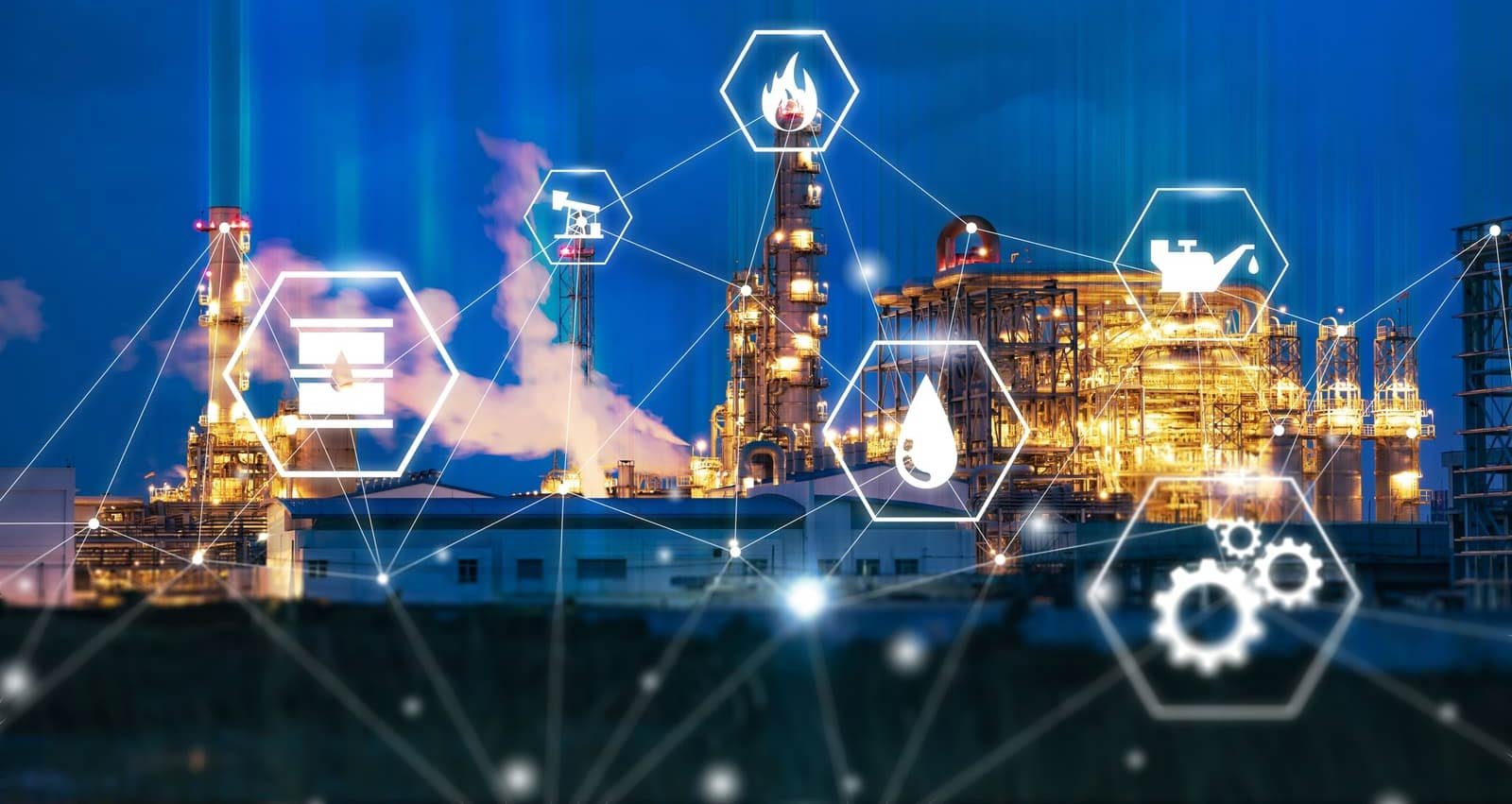
Technological acceleration is the first pillar of this transformation. Digital technologies and smart systems have become essential tools for achieving efficiency and sustainability in the oil and gas industry. Today, artificial intelligence, predictive analytics, and smart monitoring systems are used to detect leaks, improve production processes, and reduce waste in real time—making operations cleaner and safer. Digital twins and remote-control systems have helped reduce the environmental footprint of oil and gas projects, proving that innovation and environmental protection can go hand in hand.
Alongside technological advancement, the world is calling for expanded investment in low-carbon technologies—from green hydrogen and biofuels to energy storage and advanced batteries. These initiatives form the infrastructure for a flexible, renewable energy future. As a result, governments and institutions have begun creating dedicated funds for clean-energy innovation, aimed at reducing risk and supporting startups and research centers that develop practical and market-ready solutions.
Sustainable finance has also become an integral part of the energy transition. Major financial institutions and global banks now incorporate environmental, social, and governance (ESG) criteria into investment decisions, steering capital toward cleaner projects and encouraging companies to adopt more responsible practices. This direction creates a balance between maintaining the financial stability of traditional industries and supporting modern innovations that are shaping the new energy era.
However, the journey toward sustainability is not without challenges—foremost among them is achieving fairness in access to energy. While developed countries aim to reduce emissions, millions of people in developing nations still lack reliable electricity. Energy justice has therefore become a fundamental principle of the transition, ensuring that clean energy is not a privilege for the wealthy but an opportunity accessible to all. Recent years have seen international initiatives aimed at building renewable-energy infrastructure in underserved regions, modernizing old facilities, and training local talent to participate in the coming energy revolution.
Education and professional development also play a central role in this transition. The workforce in the oil and gas sector today will be the same workforce leading the shift to new energy solutions tomorrow. As a result, specialized training programs have emerged to upskill workers, equipping them with digital and technical capabilities in carbon management and smart energy systems. The future requires not only modern infrastructure, but also qualified minds capable of managing it responsibly and efficiently.
International forums and conferences continue to guide global dialogue on the future of energy. Ministers, experts, and CEOs gather to discuss practical policies for reducing emissions and balancing economic growth with climate protection. These discussions create a shared foundation that prevents sudden decisions that could destabilize markets or weaken investment in critical sectors.
Another notable aspect of this transition is the establishment of regional innovation hubs that serve as testing grounds for new technologies. Some countries focus on wind power in coastal areas, others on solar power in desert regions, and others on bioenergy in agricultural zones. This diversity demonstrates that the energy transition is not a one-size-fits-all solution, but a flexible framework tailored to each country’s geographic and cultural context.
In the long term, the global vision is moving toward an integrated energy system that balances traditional and renewable sources. Oil and gas will remain important components of the global economy, but within a new framework built on efficiency, responsibility, and reduced emissions. Achieving this balance is essential for maintaining stable energy supplies while meeting climate goals.
The transition to sustainable energy is no longer a theoretical dream—it is a reality taking shape day by day. Despite the economic and technical challenges, the world is moving steadily toward a more conscious, fair, and advanced energy system. The future will belong not to those who possess resources alone, but to those who possess vision and the ability to innovate. Through cooperation, planning, and shared responsibility, the oil and gas industry can transform from a source of challenges into a source of solutions—making energy a force that sustains life, not threatens it, and a protector of the planet instead of a burden on it.